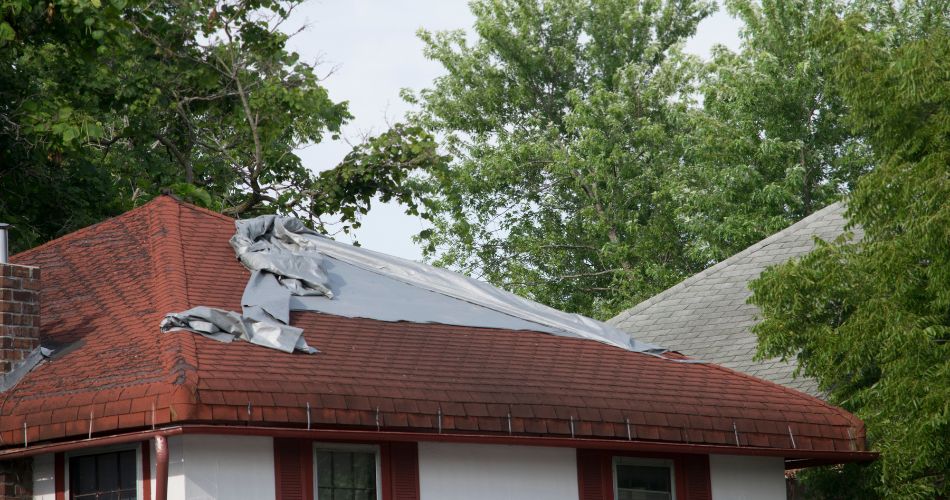
Disasters can happen when we least expect them. Whether it is a hurricane, flood, wildfire, severe storm, or house fire, these events can turn everyday life upside down. For seniors, preparing for an emergency and recovering afterward can be especially challenging. Health concerns, limited mobility, and the need for regular medications can make these situations more difficult to manage.
The good news is that a little preparation can make a big difference. With a simple plan, the right supplies, and support from family, friends, and the community, older adults can feel safer and more confident when disaster strikes.
Understand the Risks in Your Area
The first step in disaster preparedness is knowing what types of emergencies may happen where you live. Some areas are more likely to experience floods and severe storms, while others may face wildfires, extreme heat, or earthquakes.
Seniors should pay attention to local weather reports and emergency announcements. It is also helpful to learn about nearby evacuation centers, emergency shelters, and safe places to go during different types of disasters.
Knowing the risks ahead of time makes it easier to plan what to do and where to go when an emergency happens.
Prepare an Emergency Kit
Having emergency supplies ready can make a stressful situation easier to handle. Seniors should keep essential items in a bag or container that is easy to reach and carry.
The kit should include drinking water, nonperishable food, a flashlight, extra batteries, a first-aid kit, a phone charger, and important personal documents. It is also important to have enough prescription medications and a list of current medicines, allergies, and medical conditions.
For seniors who use hearing aids, glasses, walkers, wheelchairs, or other medical equipment, these items should be included in their emergency plans. Extra batteries or backup power may also be necessary for certain devices.
Keep the emergency kit in a safe, easy-to-access place, and check it regularly to replace expired food, medications, and other supplies.
Make a Plan With Family and Friends
During a disaster, it may not always be possible to contact loved ones right away. That is why having a plan before an emergency happens is so important.
Seniors should talk with family members, trusted neighbors, or caregivers about how they can help during an emergency. Decide who will check on them, how they will communicate, and where they can meet if they need to leave home.
It is also helpful to have more than one emergency contact in case someone is unavailable. Keep phone numbers written on paper in case a mobile phone loses power or stops working.
For older adults who live alone or have difficulty moving around, having someone who can provide transportation or help with evacuation can be especially important.
Keep Important Documents Safe
After a disaster, important documents may be needed to access medical care, receive financial assistance, or begin home repairs.
Seniors should keep copies of identification cards, insurance policies, medical records, prescription information, and property documents in a waterproof container. Digital copies can also be stored securely online or on a protected device.
Having these documents ready can save time and reduce stress when dealing with insurance companies, emergency services, and other organizations after a disaster.
Know When to Evacuate
One of the most important parts of disaster preparedness is knowing when it is time to leave home.
If local authorities issue an evacuation order, seniors should follow the instructions as soon as possible. Waiting until the last minute can make it harder to find transportation, especially during severe weather or flooding.
Older adults who need assistance should contact their support network early. Those who use wheelchairs, walkers, or other mobility aids should make sure their transportation arrangements can accommodate their needs.
If evacuation is not necessary, seniors should still follow official safety instructions and stay away from dangerous areas. Staying informed can help them make safer decisions throughout the emergency.
Take Care of Your Health During a Disaster
Disasters can make it difficult to maintain regular health routines. Power outages, limited access to pharmacies, and disrupted medical services can create additional challenges for seniors.
Whenever possible, keep medications organized and maintain an updated list of prescriptions. Talk to a healthcare provider or pharmacist about what to do if regular medical care becomes unavailable.
Seniors should also drink enough water, eat regularly, and get as much rest as possible. Extreme heat, cold temperatures, and stressful conditions can affect older adults more quickly, so it is important to pay attention to changes in how they feel.
If you rely on powered medical equipment, discuss backup power options with your healthcare provider before an emergency occurs.
Stay Safe When Returning Home
Once authorities say it is safe to return home, take time to check the property carefully. A house may look fine from the outside but still have hidden damage that could put your health and safety at risk.
Look for signs of water damage, damaged walls, broken windows, fallen branches, or other visible problems. Do not enter a building if you suspect structural damage. If you smell gas, notice damaged electrical wiring, or see standing water near electrical equipment, stay away and contact the appropriate professionals.
Floodwater can contain harmful bacteria, chemicals, and other contaminants. Even after the water disappears, moisture trapped inside walls, floors, and furniture can lead to mold growth.
Seniors should avoid handling heavy debris, climbing ladders, or attempting dangerous repairs on their own. Asking family members, neighbors, or trained professionals for help can prevent injuries and make the recovery process safer.
Begin the Home Recovery Process
Recovering from a disaster can take time, especially when a home has suffered water, fire, smoke, or storm damage. It is normal to feel overwhelmed when looking at the repairs that need to be done.
Start by documenting the damage with photographs and contacting your insurance company to understand the next steps. Keep receipts for emergency expenses and save any communication related to your insurance claim.
If the home has water damage, it is important to address the problem as soon as it is safe to do so. Standing water and excess moisture can damage building materials and create conditions for mold to grow. Fire damage may also leave behind smoke odors and harmful residue that require professional cleaning.
Working with experienced restoration professionals can help seniors understand the damage, plan the necessary repairs, and avoid taking on physically demanding tasks themselves.
Remember Your Emotional Well-Being
Disasters do not only damage homes. They can also affect a person’s emotional health. Seniors may feel anxious, lonely, or worried about losing their belongings, independence, or sense of security.
These feelings are understandable, especially after a frightening experience. Talking with family members, friends, or a counselor can help. Staying connected with others and returning to familiar routines when possible can also provide comfort.
Recovery does not happen overnight. Give yourself time to rest, ask for help when needed, and focus on one task at a time.
Family members and caregivers can also make a difference by checking in regularly and making sure older adults have the support they need.
Build a Strong Support Network
Having reliable people to turn to can make disaster preparation and recovery much easier. Family members, neighbors, community groups, and local senior services can all play a role in helping older adults stay safe.
Seniors should not hesitate to ask for assistance with preparing emergency supplies, arranging transportation, checking their homes, or finding temporary housing after a disaster.
It is also a good idea to learn about local programs that provide emergency assistance, food, medical services, or financial support. Knowing where to turn before an emergency happens can make a difficult situation more manageable.
Most importantly, remember that asking for help is not a sign of weakness. It is a practical way to protect your health, safety, and independence.
Recover With Confidence and the Right Support
Preparing for a disaster may seem like a big task, but small steps can make a meaningful difference. Creating an emergency kit, making a communication plan, protecting important documents, and knowing where to find help can give seniors greater peace of mind
After a disaster, safety should always come first. Take time to assess the situation, seek medical attention when necessary, and get professional help with repairs that may be dangerous to handle alone.
Silver Lining Property Restoration understands that recovering from property damage can be stressful, especially for seniors and their families. When a home has been affected by water, fire, storms, or other damaging events, having a reliable restoration company can help make the process less overwhelming. With professional support, seniors can take the next steps toward restoring their homes and returning to a safe, comfortable living environment. Contact us today to learn more.
Disasters may be unpredictable, but preparation, community support, and the right recovery resources can help seniors face challenging situations with greater confidence and peace of mind.